RDA Europe 4.0 Social Sciences Ambassador Ricarda Braukman has analysed the RDA Working and Interest Groups and identified those initiatives of particular relevance to social scientists. This article is the first of two in a series and presents the highlights from Dr. Braukman's RDA for Social Sciences report. A follow-up article explores how the RDA Interest and Working Groups and outcomes are currently serving partners in the SSHOC project.
The Research Data Alliance (RDA) is a grassroots community whose ultimate goal is to build a social and technical infrastructure enabling the open sharing of data across technologies, disciplines and countries. Solutions to data sharing challenges are provided through RDA Interest Groups (IGs) and Working Groups (WGs). Whereas IGs produce outputs such as surveys, recommendations and reports, WGs have a fixed lifespan during which members work on concrete outputs. These might include technical specifications, conceptual models or frameworks, or implemented policies.
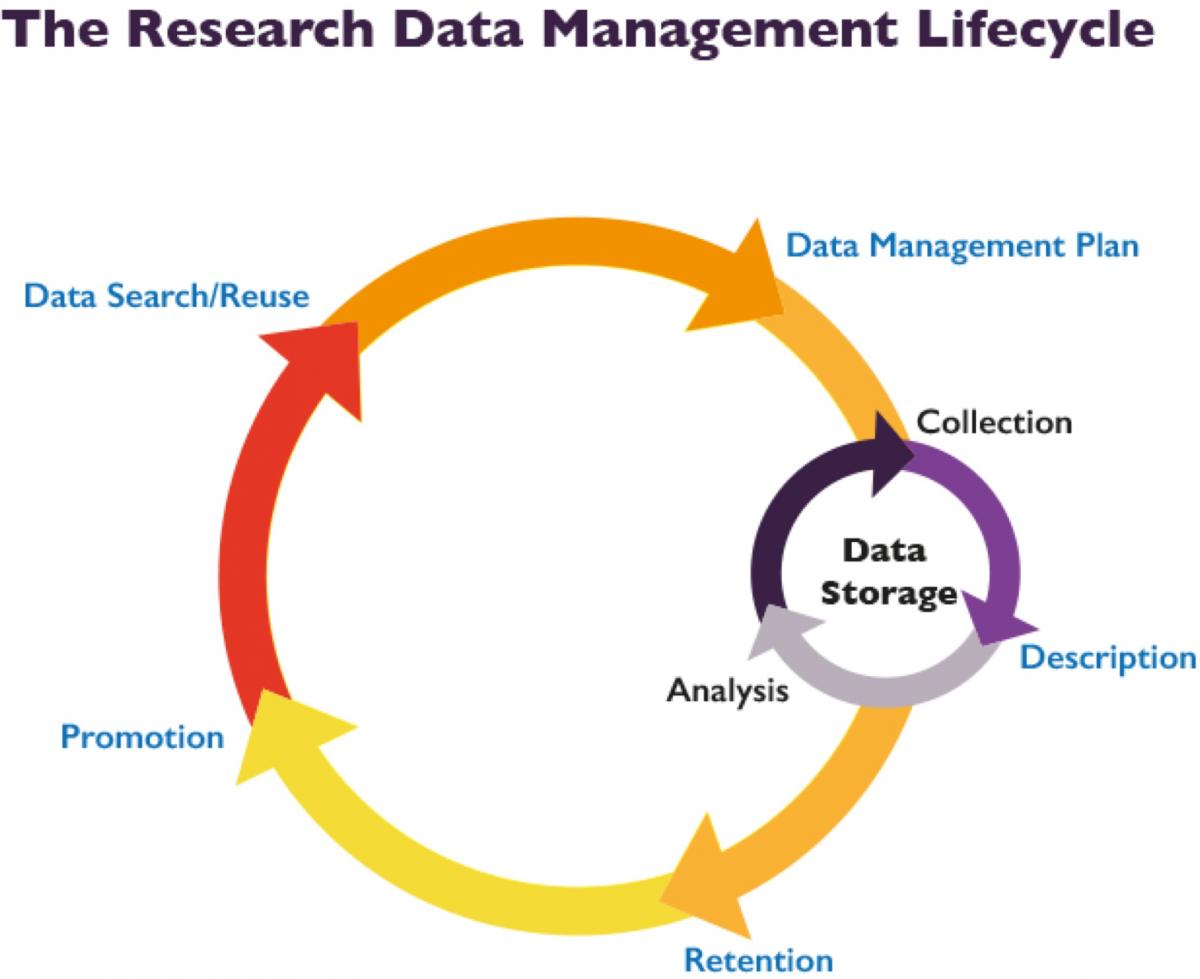
For the purposes of her analysis, Dr. Braukman clustered RDA groups and outputs under the following headings:
- Policies and Guidelines
- Data Management
- Technical and Infrastructure
- Other General Topics
- Domain-specific
- Data-specific
- Communities and organisations
Key Findings
- Three classifications for outputs used by the RDA
-
- RDA Recommendations are produced by RDA Working Groups, have undergone formal phases of discussion, comment and decision making, and are officially endorsed.
- Supporting Outputs have undergone community review and are useful solutions from RDA Working and Interest Groups, but may not be as clearly adoptable by organisations as RDA Recommendations.
- Other Outputs describe resources requested by a Working Group or Interest Group to be published on the RDA website, but have received no level of endorsement.
Dr. Braukman identified the following as the most relevant RDA outputs:
- The Metadata Standards Directory - Recommendation
- Workflows for Research Data Publishing: Models and Key Components – Recommendation
- Legal Interoperability of Research Data: Principles and Implementation Guidelines – Supporting Output
- 23 Things: Libraries For Research Data - Supporting Output
- “Eleven Quick Tips for Finding Research Data“ – Supporting Output
Working and Interest Groups
Most Relevant Interest Groups
Of the 61 Interest Groups listed on the RDA website at June 28 2018, six were identified as particularly relevant to the social science community:
- The Ethics and Social Aspects of Data
- Preservation Tools, Techniques, and Policies
- Education and Training on Handling of Research Data
- Disciplinary Collaboration Framework
- Data Discovery Paradigms
- Sharing Rewards and Credit (SHARC)
Groups judged to be relevant depending on the field of interest of particular researchers include:
- Data Foundations and Terminology
- RDA/CODATA Legal Interoperability
- Reproducibility
- Data Policy Standardisation and Implementation
- Education and Training on Handling Research Data
- Vocabulary Services
- From Observational Data to Information
- Open Questionaire For Research Data Sharing Survey
- Data Rescue
Most Relevant Working Groups
Of the 33 Working Groups listed, two received special mention in the report:
The former group takes a user perspective on Data Management Plans and also addresses the lack of governing standards for these plans. The latter group is concerned with data publishing and is working on an analysis of existing and emerging workflows and standards for data publishing within different disciplines.
General Working Groups considered to be of potential interest to social science researchers include:
- Data Usage Metrics
- Data Storage Service Definitions
- Metadata Standards Catalog
- RDA/TDWG Metadata Standards for Attribution of Physical and Digital Collections.
Click here to read the full RDA for Social Sciences report
SSHOC & RDA part 2 is out! Read it here: How the RDA impacts SSHOC (Feedback from Project Partners)
Browse the SSHOC website and join our community:
 LinkedIn: SSHOC
 Twitter: @SSHOpenCloud
EOSC services collaborations and RDA
RDA 14th Plenary, taking place in Helsinki, Finland on 23-25 October will be preceeded by two events fully dedicated to the European Open Science Cloud and all its related initiatives.
Together with the other EOSC Cluster Projects, on 21 October SSHOC will be involved in a session on EOSC services collaboration and RDA. Presentations and discussions will evolve around the commonalities and potential collaborations on community research data management solutions.
Then on 22 October the EOSC @ RDA will present early results for EOSC to the research data community of stakeholders, one year after the official launch of the platform.
Keep visiting our website for more updates about the EOSC @ RDA and for the "EOSC services collaborations and RDA" session.
ABOUT RDA https://www.rd-alliance.org
The Research Data Alliance (RDA) is a community-driven organisation launched in 2013 by the European Commission, the United States Government’s National Science Foundation and National institute of Standards and Technology, and the Australian Government’s Department of Innovation. The goal of the RDA is to build the social and technical infrastructure needed to enable open sharing of data across technologies, disciplines and countries. In June 2018, the RDA counted over 7000 members from 137 different countries and from various backgrounds, including data professionals, researchers, librarians and policy developers. Individual membership to the RDA is free for anyone who supports the RDA mission and its guiding principles.
Useful links:
RDA Interest Groups
RDA Working Groups
RDA Recommendations & Outputs
RDA Europe 4.0 Project
RDA on Twitter @resdatall | @RDA_Europe | @RDA_US
RDA on LinkedIn
Contact enquiries@rd-alliance.org | info@europe.rd-alliance.org


